BNKA vs Revolut for sending euros to Argentina, Peru and Colombia
BNKA and Revolut compared with 100, 500 and 1,000 euros to Argentina, Peru and Colombia: how much arrives, how they show fee and rate, plans and…
Read more →
Borderless money
The same word, transfer, describes completely different processes. Understanding which rails your money travels on explains the timings, the costs and what to ask when something is delayed.
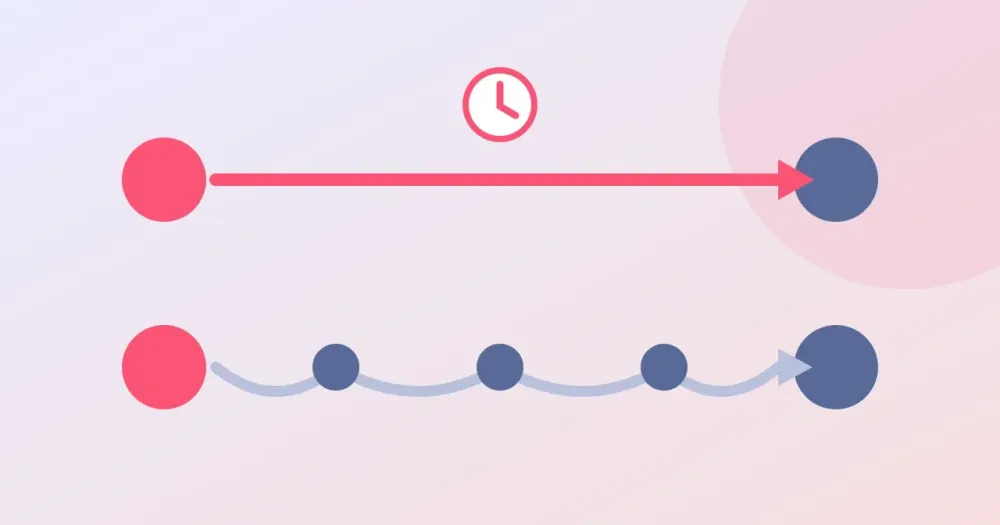
You send money to a friend in Berlin and it lands before you have put your phone away. You send to Lima and you spend three days refreshing the screen.
Same word, transfer, for two processes that have nothing in common. And understanding where your money travels is not technical curiosity: it is what tells you whether a delay is normal or whether something is wrong, and what to ask when it is.
SEPA (Single Euro Payments Area) is a space where a euro transfer between countries follows the same rules as a domestic one, as long as both sides hold an account with a European IBAN. It covers the European Union countries and several others.
Within SEPA there are two variants that matter:
| Type | Timing | Availability |
|---|---|---|
| Standard SEPA transfer | Next business day at the latest | Business days |
| SEPA instant transfer | Seconds | 24/7, if both institutions support it |
Two things almost nobody knows and are worth remembering:
This is the most widespread misunderstanding. SWIFT does not move money. SWIFT is a secure messaging network through which financial institutions send each other standardised instructions, identifying themselves with a SWIFT or BIC code.
Money moves through a different mechanism: correspondent accounts. If institution A has no direct relationship with institution B, the transaction passes through one or more intermediaries that do hold accounts with each other.
That is where the three characteristics of a classic international transfer come from:
When money reaches the destination country, it enters the local payment system, with its own rules:
This is the real reason behind most "why has it not arrived yet". A transfer sent on a Friday afternoon in Europe is processed on Monday if the local rail does not operate at weekends. The hours and requirements for each destination are on the corridor pages, such as the Peru corridor.
| Cause | Frequency | What you can do |
|---|---|---|
| Beneficiary name mismatch | Very high | Copy it exactly from the holder's ID |
| Sent outside hours or at the weekend | High | Send on a European business day if not urgent |
| Public holiday in the destination country | Medium | Check the local calendar first |
| Compliance check at an intermediary | Medium | Keep the receipt and the purpose to hand |
| Incomplete beneficiary details | Medium | Check the account number and ID before sending |
Instead of "where is my money", which rarely has a useful immediate answer, ask:
Those five answers tell you whether to wait or act. The most repeated timing questions are answered in the FAQ. And if the answer is "under review", why an account goes under review explains what is happening and which document speeds it up.
The rail determines the cost. A euro transaction inside SEPA involves no currency conversion and its cost is low and predictable. A transaction towards LatAm adds a currency conversion (where the spread sits) and a local rail, as you can see on the euro and Colombian peso page. That is why comparing "fees" between those two cases makes no sense: they are different products.
How to compare properly is in the 5 mistakes that cost you money when sending money home. The technical terms are in the glossary.
Informational content. This does not constitute financial, legal, tax or investment advice.
Because they are different rails. In euros within SEPA there is shared infrastructure with regulated timings. Towards LatAm the transaction combines an international transfer, a currency conversion and a local destination rail, each with its own hours.
Not exactly. SWIFT transmits messages quickly; what takes time is settlement between institutions' correspondent accounts and each intermediary's compliance checks. The more intermediaries, the more points where something can wait.
In an international transaction several institutions can sit between origin and destination. Each one can deduct a charge from the amount in transit. That is why sometimes less arrives than expected without the sender having been charged more: an intermediary took the deduction.
By asking two things: which currency it leaves in and which currency it arrives in, and whether the destination is inside the SEPA area. Those two answers imply the rail and, with it, a reasonable timeline.
BNKA and Revolut compared with 100, 500 and 1,000 euros to Argentina, Peru and Colombia: how much arrives, how they show fee and rate, plans and…
Read more →BNKA and Western Union compared with 100, 500 and 1,000 euros to Argentina, Peru and Colombia: how much arrives, how the price is formed, cash…
Read more →BNKA and Global66 compared with 100, 500 and 1,000 euros to Argentina, Peru and Colombia: how much arrives, what each one publishes about the…
Read more →Start today
Open your account from your phone in minutes and discover the services available to you.
Download the app · Sign up with your passport · Exchange rate shown before you confirm