NIE and TIE in Spain: differences, requirements and how to apply
The NIE is your foreigner number in Spain and the TIE is the card that proves your legal status if you stay longer than six months. What each one…
Read more →
Living between two countries
With an intermediary in the middle, a payment can stall over the name or bounce over the account type. They are two different failures, fixed in two different places.
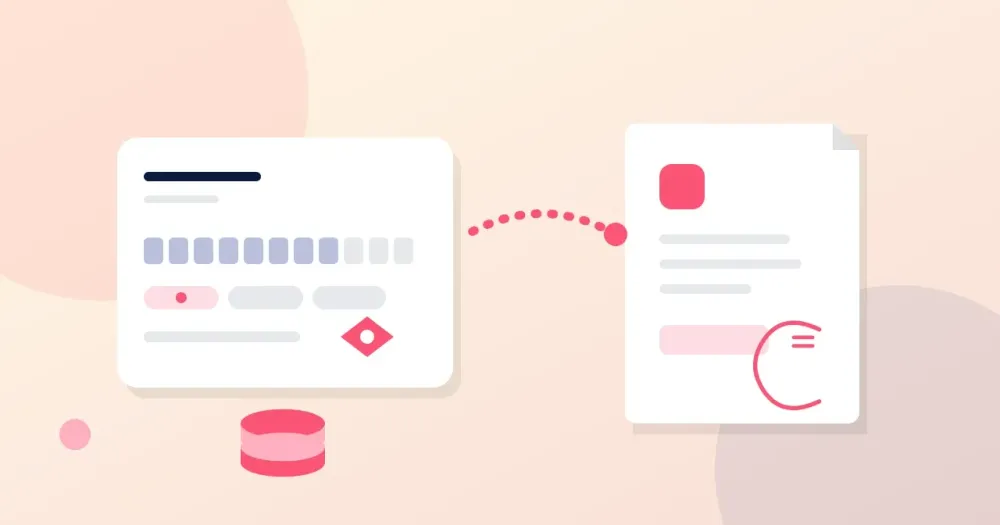
To get paid from Payoneer in Colombia, two things have to line up. Your name, which must be the same and tied to the same ID for whoever pays you, on your profile and on the destination account; otherwise the payment is held. And the four account details (number, type, bank and ID); if those are wrong, the withdrawal comes back rejected days later.
There are two ways a payment with an intermediary stops, and they are worth telling apart. One leaves it stalled halfway. The other sends it back to the start several days later. They get fixed in different places.
| What happens | Symptom | Usual cause |
|---|---|---|
| Hold | The amount stalls and stays identified | The beneficiary name does not match the account holder |
| Rejection | The money returns to the source days later | The Colombian account details match no product |
Whoever pays you, the intermediate profile, and the destination account all have to point to the same person, with the same ID. The differences that stall things are always small: a missing surname, an accent, a name abbreviated on one profile. What happens while the operation is stalled is covered in why an account goes under review.
The last leg enters the local system, and there is no single identifier there: it needs account number, type, institution, and the holder's ID document.
Ticking savings when it is checking is accepted without protest. The withdrawal travels the full route and gets rejected on arrival, so the correction surfaces once the money has already come back. The breakdown is in the four details of a Colombian destination.
Each leg can apply its own conversion and that price rides inside the rate, not as a fee. With two or three layers the total appears on no screen: it shows up by comparing how much left the source and how much landed in your account. It is in the mistakes that cost you money when sending money home.
If you would rather shorten the chain, a euro destination in your name removes a layer and hands back the timing of the conversion. At BNKA it is the swap inside the app and, after it, the withdrawal to your Colombian account. The corridor is in Colombia and the pair in EUR/COP.
Worth stating plainly: BNKA is a technology platform. Financial services are provided by regulated partner institutions, and the terms in force for any given operation live in the app and in the terms and conditions.
The wider picture of getting paid from abroad is in the Latino freelancer getting paid in euros.
This is not financial, legal, tax, or investment advice.
By where the money sits. A hold leaves the operation stalled while someone checks something, usually details of the sender or the beneficiary, and the amount stays identified and waiting. A rejection returns the money to the source, which tends to happen at the end of the route when the destination bank does not recognize the details.
Yes. The last leg still enters the Colombian system, and there the number, type, institution, and ID document are checked. Ticking savings when it is checking throws no error as you type, and the rejection arrives days later.
No. The holder has to be the same across the whole chain. A destination in someone else's name usually ends up held or returned, and with an intermediary in the middle it has to be corrected in two places. At BNKA we apply the same rule.
For collections inside Colombia, yes. For a withdrawal coming from abroad, no: that leg asks for the full account details, and the key does not replace them.
The NIE is your foreigner number in Spain and the TIE is the card that proves your legal status if you stay longer than six months. What each one…
Read more →What Spanish nationality by residence asks of people born in Argentina, Peru or Colombia: two years of legal residence, the CCSE exam, apostilled…
Read more →When a foreign university degree has to be homologated in Spain and when equivalence is enough, which documents you need, what the fee is, and how…
Read more →Start today
Open your account from your phone in minutes and discover the services available to you.
Download the app · Sign up with your passport · Exchange rate shown before you confirm